How Clean Landscape Lines Can Shape Buyer Perception and Appraisals
Property value depends on more than walls and roofing. Outdoor appearance sets the first impression for buyers and appraisers. Overgrown plants can hide strong features and signal poor care. Clean and planned landscaping helps show pride in ownership. It also frames the home in a clear and balanced way. Many buyers decide how they feel within seconds of arrival. This makes yard care a smart focus for anyone thinking about long term value. The right plant control plan supports both beauty and function.
Why Exterior Appearance With Landscaping Matters
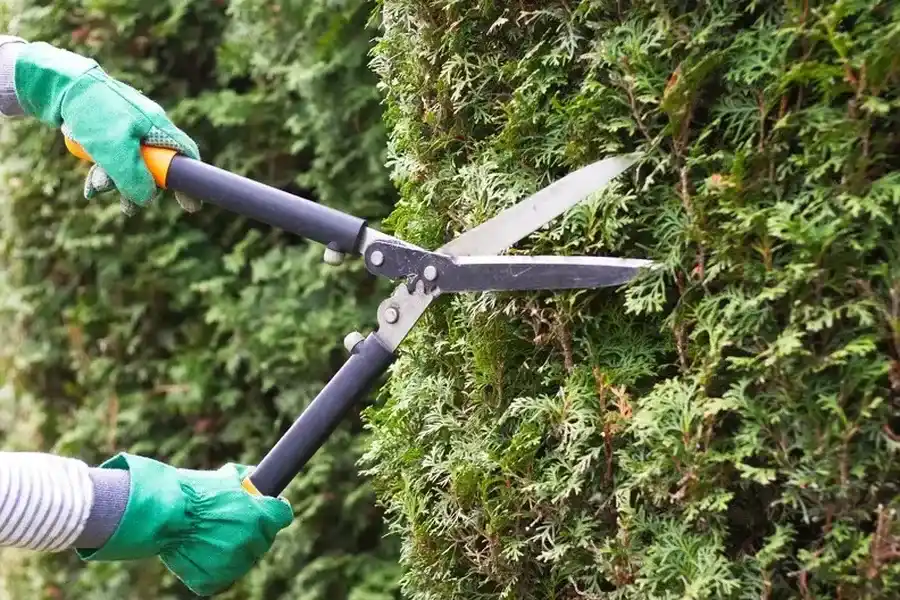
Exterior appearance shapes how people judge a home. A neat yard can suggest careful upkeep inside. One proven method is Bush Trimming, which helps shape plants and keep sight lines clear. This task improves how sunlight reaches windows and walkways. It also helps buyers see the full layout of the property. Real estate studies often show higher interest in homes with well kept yards. This leads to stronger offers and shorter time on market.
Key Benefits With Regular Plant Maintenance
Regular care offers clear gains for value and safety. Bush Trimming supports healthy growth and removes dead branches. It also reduces pest hiding spots near the home. Appraisers often note curb appeal in their reports. This can affect final numbers. Clear walkways also lower trip risks during showings. These details help buyers feel confident about their choice.

- Improves curb appeal and first impressions
- Helps plants grow in a balanced way
- Reduces damage to siding and roofing
- Supports clearer views of home features
Common Problems With Overgrown Shrubs
Overgrown shrubs cause several issues that lower appeal. They can block windows and hide entry points. This affects light and safety. Thick growth can trap moisture near walls. This may lead to rot or mold. Buyers may worry about hidden damage. These concerns often lead to lower offers. Poor yard control can also suggest neglect, even when interiors look good.
Simple Steps With Effective Yard Care
A clear process helps keep plants under control. Start with a plan based on plant type and season. Use clean tools to avoid disease spread. Trim to natural shapes rather than harsh lines. This keeps growth healthy and full. Consistent timing matters more than heavy cutting. Following a basic routine protects value and reduces stress.
- Inspect plants for dead or damaged growth
- Trim lightly to shape and open space
- Remove clippings to keep areas clean
- Schedule future care based on growth rate
Best Practices With Professional Standards
Industry standards focus on plant health and safety. Many professionals follow local extension guidelines. These guides explain how much to cut and when. Cutting too much can weaken plants. Using proper spacing avoids future crowding. Wearing safety gear is also standard practice. These steps protect both workers and property.
- Trim during proper seasonal windows
- Avoid cutting more than one third at once
- Keep clear space around structures
Understanding Costs With Long Term Value
Cost depends on plant size, quantity, and access. Simple jobs cost less than full reshaping work. Regular care often costs less over time than rescue work. Many owners see returns through higher sale prices. Even modest spending can yield strong visual impact. Think of yard care as a value shield rather than an expense.
Local Rules With Environmental Care
Some areas have rules about plant removal or cutting times. These rules protect wildlife and shared spaces. Homeowners should check local guidance before major work. Following rules avoids fines and delays. It also supports community standards. Respecting these details helps maintain value and trust.
Next Steps With Property Value Growth
Located in Millsboro, DE, we help property owners protect outdoor value through smart landscape care. Leaf it to us Lawn Care LLC focuses on clear planning and steady results that buyers notice. We take a practical approach that supports long term value goals. Call (302) 200-8876 to discuss a plan that fits property needs and budget.