Why Proper Plant Shaping Improves Light Reach and Growth
Plants need steady sunlight to grow strong and healthy. When light gets blocked, growth slows and disease risks rise. Many gardens suffer from poor light flow due to dense shrubs. This problem affects flowers, grass, and even trees nearby. Careful shaping of woody plants helps light reach lower leaves and soil. This practice supports better photosynthesis and balanced growth. Understanding how this process works helps you protect your landscape investment. It also helps you plan care that fits your yard.

How Light Access Supports Plant Health
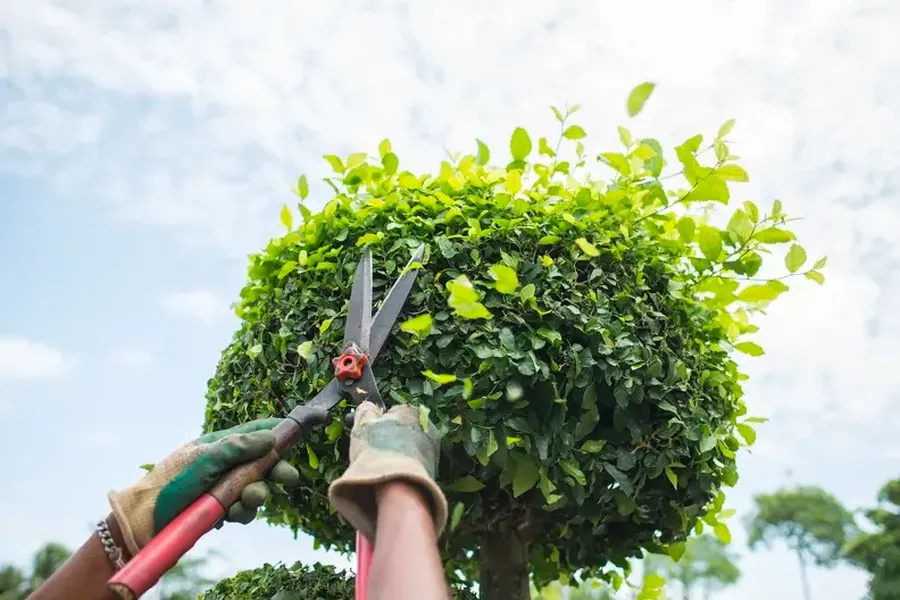
Sunlight helps plants produce food through photosynthesis. When shrubs grow thick, light cannot pass through. The first use of bush trimming removes excess branches to open paths for light. This simple act helps nearby plants get even exposure. Better light reduces weak stems and yellow leaves. Research from land grant universities shows improved light raises plant vigor. You may also notice better bloom timing and fuller color. These results support long term landscape health.
Key Benefits You Can Expect Over Time
Regular care brings visible gains across your yard. The second use of bush trimming focuses on maintaining open canopies through the season. This supports steady light levels as plants grow. You avoid sudden shade that stresses plants. Over time, soil stays warmer and dries faster after rain. That change lowers fungus risks. Many homeowners see healthier lawns near shrubs after regular care.
- Stronger stems due to even light exposure
- Improved flowering and fruit production
- Lower risk of mold and mildew
- Better airflow across garden beds
Common Problems Caused by Dense Shrubs
Overgrown shrubs block light and trap moisture. This creates shaded zones where plants struggle. You may notice thin growth or bare spots nearby. Pests also hide in crowded branches. Moist shade favors insects and disease. These issues raise maintenance time and costs. Many yards show uneven growth patterns due to poor light flow. Addressing density helps prevent these problems.
Step by Step Approach to Improving Light Flow
A clear process keeps results consistent and safe. Focus on timing and method to avoid stress. Always work during proper seasons for each plant type. Use clean tools to prevent disease spread. Remove only what limits light movement.
- Inspect shrubs to find thick or crossing branches
- Cut inward growing branches first
- Shape outer growth to guide light downward
- Check light reach after each step
Best Practices Backed by Industry Guidance
Professional landscapers follow clear guidelines. These practices protect plant health and property value. Use hand tools for control and accuracy. Avoid heavy cutting in extreme heat. Space care across the year to reduce shock.
- Follow plant specific growth patterns
- Limit removal to one third of growth
- Maintain natural plant shape
- Wear safety gear during work
Cost Factors and Long Term Value
Costs vary by shrub size and access. Labor time rises with height and density. Routine care costs less than major restoration. Better light reduces plant replacement needs. Healthier plants need less water and treatment. Over years, these savings add up. The return includes visual appeal and easier upkeep.
- Pros: improved growth, fewer plant losses, better yard use
- Cons: ongoing maintenance, need for skill and timing
Next Steps for Healthier Light Balance
Located in Millsboro, DE, we focus on creating balanced light for every landscape. Leaf it to us Lawn Care LLC provides care plans that protect plant health year round. Our crews follow safety standards and plant science guidance. Call (302) 200-8876 to schedule an evaluation and improve sunlight flow together.