Clear Guidance With Practical Steps That Protect Plants and Budgets
Landscapers often apply ground cover to improve soil health and appearance. Small errors can cause big plant problems. These issues include rot, pests, poor growth, and wasted money. Many mistakes happen due to rushed jobs or unclear standards. This guide explains where problems start and how to prevent them. You will learn what clients expect and how to meet those needs. Each section gives clear steps that protect plants and save labor time.
Understanding Why Material Depth Matters With Plant Health
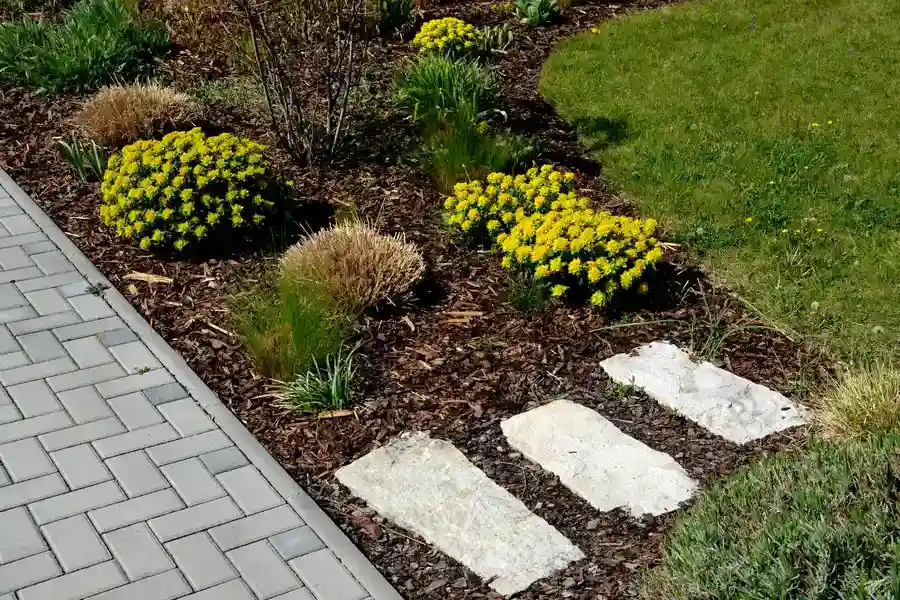
One common issue happens when Mulching is applied at the wrong depth. Too much material blocks air and water flow. Roots then stay wet and start to decay. Too little material fails to control weeds and moisture loss. The ideal depth is usually two to three inches for most beds. Keep the layer even and away from trunks. This approach protects roots and reduces disease risk.
Choosing the Right Product With Soil and Plant Needs
Another frequent mistake occurs when Mulching uses the wrong type for the site. Fresh wood chips can steal nitrogen from soil. Dyed products may contain unknown fillers. Stone traps heat and harms roots. Match the material to plant needs and climate. Organic options break down and feed soil. Inorganic options suit paths more than beds.
Avoiding Trunk Piling With Proper Application Methods
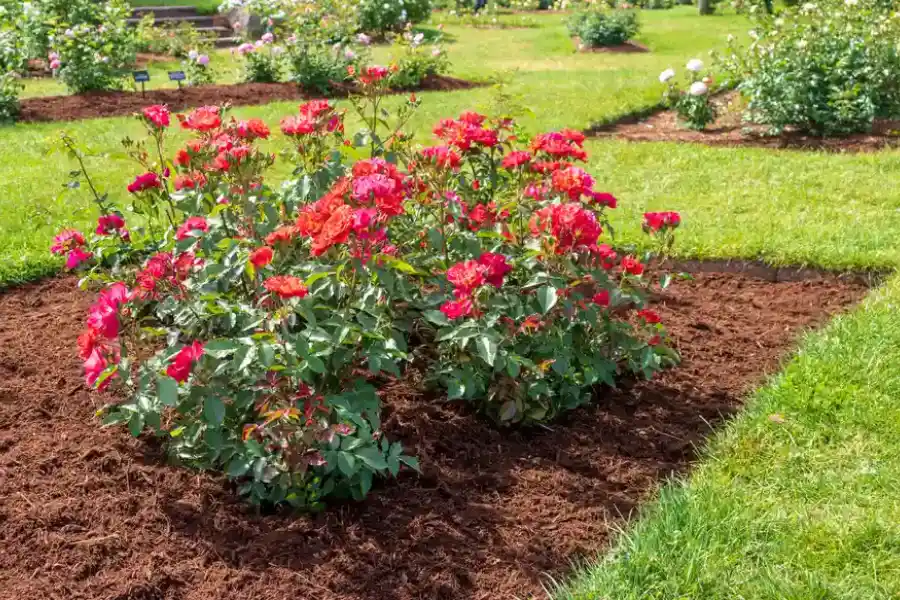
Piling material against trunks causes serious damage. This practice traps moisture and invites insects. Trees then develop bark rot and weak roots. Always leave a small ring of space around trunks. This gap allows air flow and visual inspection. Proper spacing lowers long term maintenance costs.
Key Benefits Landscapers Gain With Correct Ground Cover Use
When installed the right way, ground cover supports healthy landscapes. It also improves client satisfaction and retention. Correct use delivers several clear benefits.
- Reduces weed growth and labor time
- Helps soil hold moisture during heat
- Protects roots from temperature swings
- Improves bed appearance for clients
Common Problems Clients Report With Poor Install Practices
Clients often complain after seeing plant decline or mess. These complaints hurt trust and referrals. Understanding pain points helps prevent callbacks.
- Foul smells caused by rot
- Visible pests near homes
- Uneven beds after rain
- Plants dying within months
Step by Step Process With Reliable Installation Results
Following a clear process reduces errors and rework. These steps support consistent quality across crews.
- Clear weeds and debris from the bed
- Check soil moisture before spreading
- Apply an even two to three inch layer
- Pull material back from stems and trunks
- Water lightly to settle the layer
Best Practices With Long Term Performance in Mind
Industry pros follow simple rules that protect landscapes. These tips come from field experience and testing.
- Refresh material once per year as needed
- Check depth after heavy storms
- Avoid mixing old soggy layers
- Use edging to keep beds clean
Industry Standards and Local Requirements With Compliance
Many regions have guidelines for landscape materials. Some cities restrict dyed products near waterways. Fire prone areas limit certain organic types. Always review local codes before purchase. Following standards protects businesses from fines. It also shows care for safety and environment.
Cost Factors and Value With Smart Planning
Costs vary based on material type and depth. Over application wastes product and labor hours. Under application leads to callbacks and repairs. Smart planning balances upfront cost with long term value. Clients appreciate clear explanations and durable results.
Next Steps With Professional Support and Lasting Results
Located in Millsboro, DE, we help property owners and managers avoid costly landscape errors. Leaf it to us Lawn Care LLC focuses on proven methods that protect plants and budgets. Our crews follow clear standards on every job. We explain options and costs before work begins. Call (302) 200-8876 to schedule a consultation and keep outdoor spaces healthy for years.